

Beyond the Pit: Why Mining Marketing Needs to Speak to Families, Not Just Workers
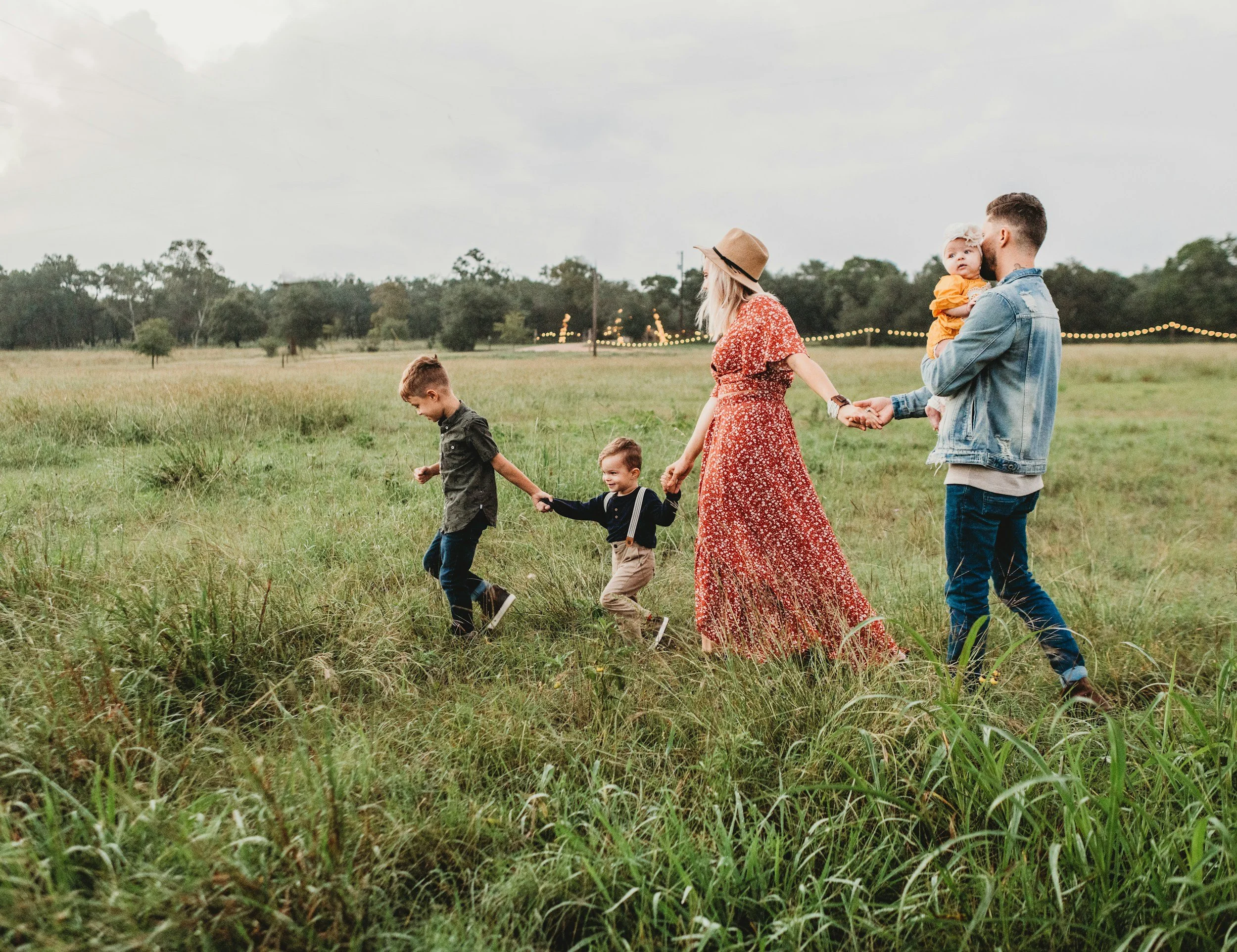
When most people think about marketing in mining, they picture hard hats, haul trucks, and slogans about safety or productivity. What’s often overlooked is that the decision to work in mining—or to support it—rarely happens in isolation.
It happens around the dinner table.
For all our industry’s sophistication in equipment, automation, and data analytics, we often miss one of the simplest human truths: every tradesperson, engineer, or technician we want to attract or retain is part of a family network that quietly shapes their choices.
1. The unseen influencers: partners, children, and parents
Talk to anyone who’s worked FIFO or DIDO and you’ll hear the same refrain: “It’s not the work that’s hard, it’s being away.”
Partners carry the load at home, kids grow up in routines of video calls, and families plan life around rosters.
When a fitter or electrician considers leaving FIFO for a local role—or a young apprentice debates whether to enter mining at all—those conversations usually start with a partner or parent.
And yet, most mining recruitment campaigns speak to the individual, not to the household unit that influences the decision.
Marketing blind spot:
We design campaigns around pay rates, rosters, and career paths—but we rarely communicate the lifestyle dividends of staying local, the community benefits of mining, or the sense of belonging that can come with regional, site-based employment.
2. Luring talent home: local life vs FIFO life
Australia’s resource sector is in a battle for skilled labour. Diesel fitters, electricians, and operators can name their price.
But here’s the catch: you can’t outbid lifestyle forever.
A $180,000 FIFO role looks less appealing when a $130,000 local job means dinner with the family, weekend sport with the kids, and a sense of normality.
The problem is, we rarely market that narrative.
Companies could—and should—do more to show the alternative:
Feature stories of workers who moved from FIFO to local and gained back time, health, and stability.
Highlight community infrastructure that exists because of mining revenue—schools, sports fields, small businesses.
Speak directly to partners and families in recruitment campaigns, not just to the workers themselves.
Mining firms talk endlessly about value propositions—but for many tradespeople, the most valuable thing is time.
Marketing that truth authentically can reshape perceptions far more than another “Now Hiring” billboard.
3. The talent squeeze: how big miners out-market everyone else
There’s another layer to this story.
While tier-1 miners are ramping up billion-dollar brand and recruitment campaigns, tier-2 contractors and service providers are left competing for the same workforce—with a fraction of the budget.
The challenge:
Large mining houses can offer wages, rosters, benefits, and brand prestige that smaller businesses simply can’t match.
Their marketing is polished, aspirational, and omnipresent—from airport billboards to sponsored footy teams.
Smaller suppliers often rely on word-of-mouth or job boards, even though they offer something the majors can’t: stability, locality, and personal connection.
The opportunity:
Tier-2s and service providers can win hearts where the majors win wallets.
By marketing quality of life over quantity of pay, they can appeal to the wider family unit that ultimately influences employment choices.
Examples:
Showcase stories of families who’ve settled locally because Dad or Mum works 10 minutes from home, not 10 hours away.
Use messaging that appeals to both workers and their partners: “More time at home. More life outside work.”
Position themselves as community anchors—local businesses supporting local people—rather than distant corporations.
It’s not about outspending the majors. It’s about out-connecting them.
4. The family lens on mining’s reputation
How the community sees mining is shaped less by corporate ESG reports and more by the lived experience of the families behind it.
If a miner’s partner sees the company as a good employer—one that cares about mental health, rosters, and work-life balance—they become advocates, not critics.
Conversely, when families see strain, isolation, or environmental harm with no visible offset, they become amplifiers of negativity within their social circles.
Local advocacy often starts at the kitchen table. When a miner’s family is proud of their association with the industry, that pride filters into schools, small businesses, and local councils.
That’s how social licence really spreads, not through glossy sustainability ads, but through human stories told by people with skin in the game.
5. Reframing community influence
Every mine site sits within a community ecosystem—schools, cafes, sporting clubs, healthcare workers—all of whom shape how the industry is perceived.
By communicating through a family and community lens, companies can:
Build trust beyond the gates.
Attract and retain staff through emotional alignment, not just pay.
Strengthen the industry’s social and environmental legitimacy.
This could mean:
Sponsoring community programs that support FIFO families or regional schooling.
Including spouses and partners in site events or wellbeing initiatives.
Sharing relatable stories of balance, home life, and contribution in social media content.
6. A marketing evolution waiting to happen
Mining’s workforce challenge isn’t just about recruitment pipelines—it’s about human connection.
The next generation of tradespeople won’t be swayed solely by pay packets. They’ll weigh lifestyle, purpose, and the views of the people closest to them.
The smartest marketers in mining will realise that to win hearts and minds, you sometimes have to market to the family before you market to the worker.
And if we want mining to be seen as sustainable—not just environmentally, but socially—it starts with helping families feel that they belong to an industry worth believing in.
Final thought
For an industry built on extraction, mining has a unique opportunity to give something back: time, stability, and pride.
By expanding the marketing lens beyond the pit and into the home, we can change not just who joins the industry—but how the community feels about it.